| Brand | Yato |
| Entity responsible for this product in the EU | TOYA S.A.More |
| Series | GRD |
| Size | 40 |
| Series | PARAD |
| Safety footwear category | S1P |
| Standard | EN ISO 20345:2011 |
| Foot length | 25.7 cm |
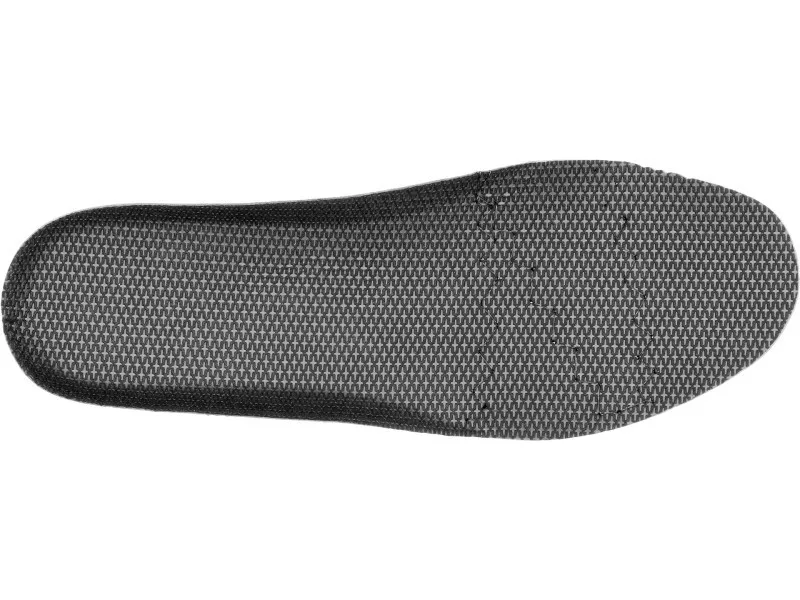
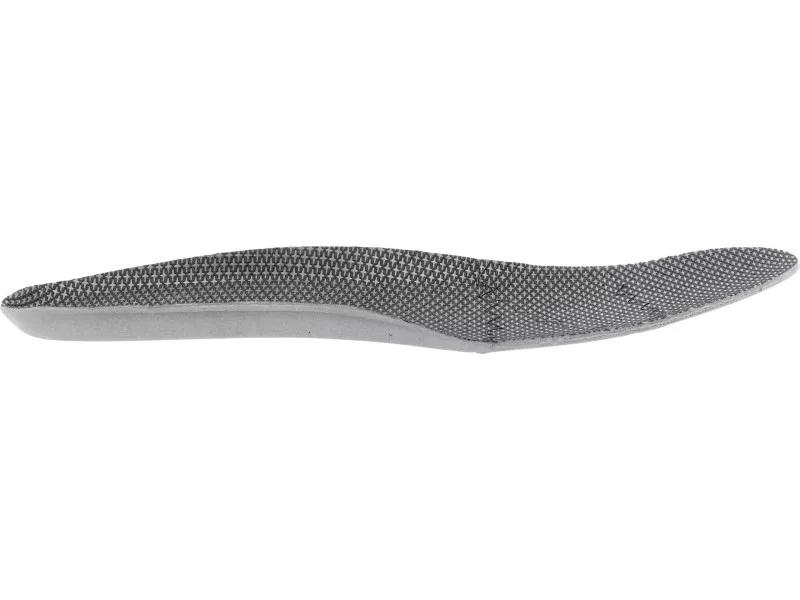
| Insole length | 26.4 cm |
| Upper material | skin |
| Outer sole material | rubber |
| Insole material | EVA |
| Composite toe cap | yes |
| Anti-puncture insole material | plastic |
| locking mechanism | laces |
| Non-slip sole | yes |
| Slip resistance | SRC |
| Sole puncture resistance | 1100 N |
| Shock absorber | yes |
| Max. impact energy | 200 J |
| Max. compression load | 15 kN |
| Oil resistance | yes |
| Petrol resistance | yes |
| Chemical resistance | yes |
| Antistatic sole | yes |
| Symbol | YT-80498 |
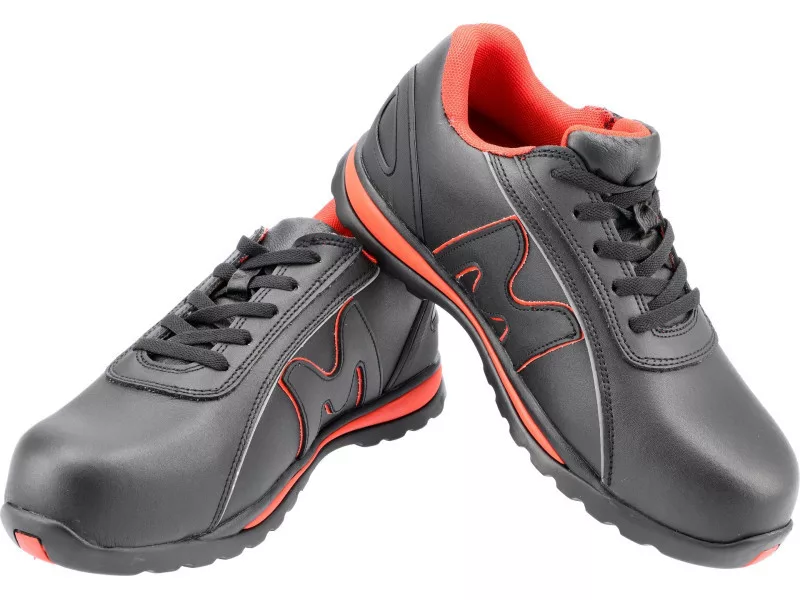
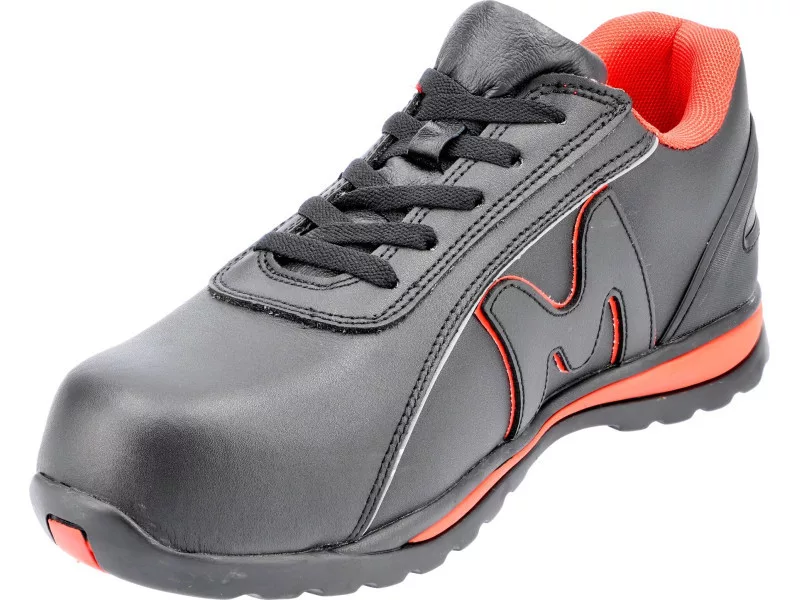
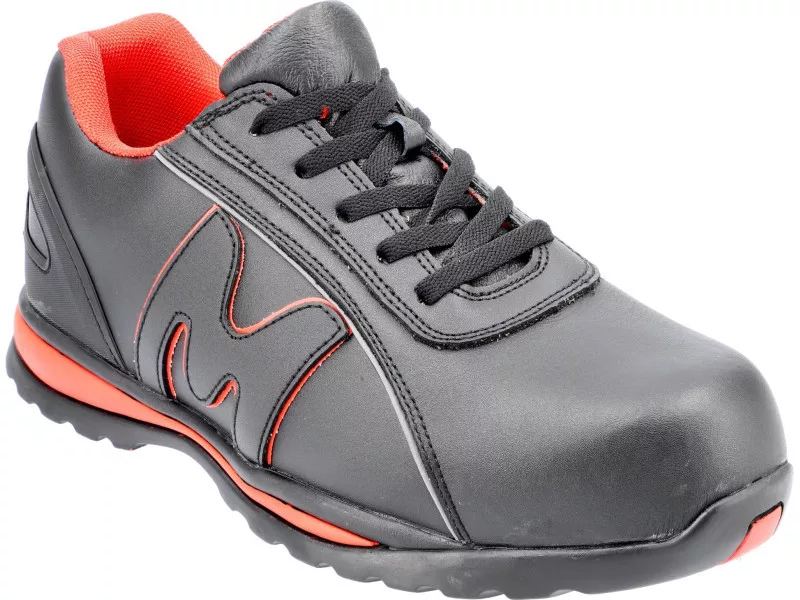
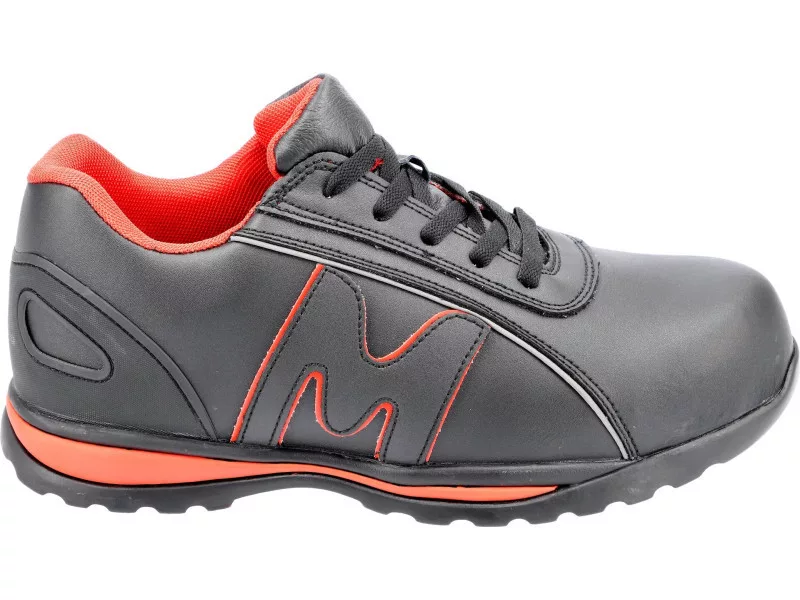
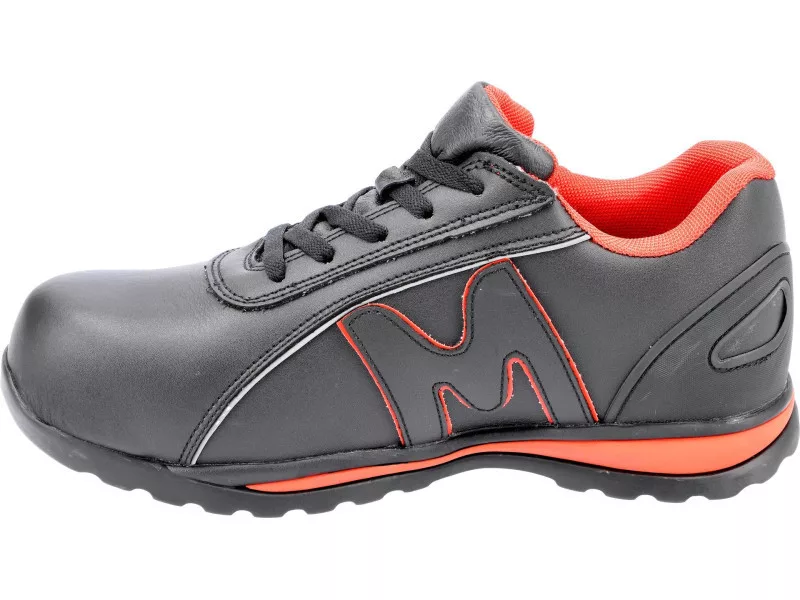
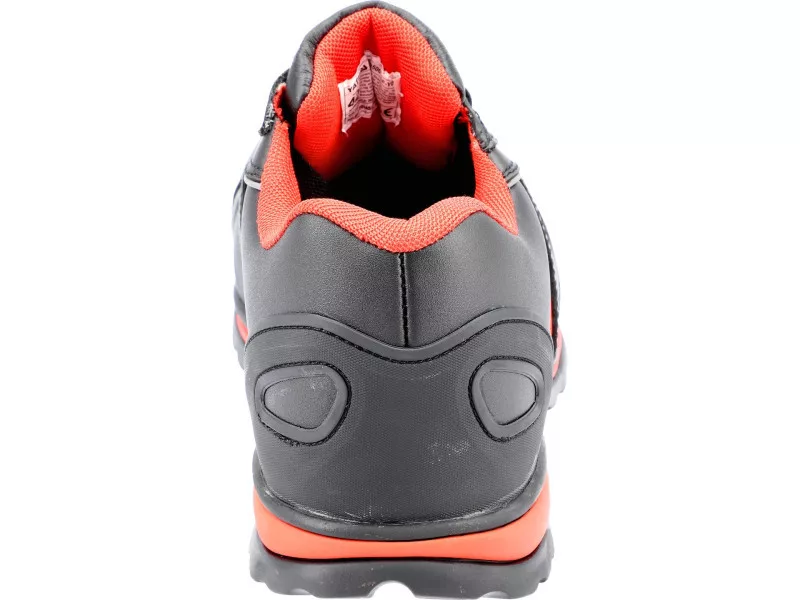
The PARAD S1P series of lightweight work boots is a model with an impact-resistant composite toecap, a flexible anti-puncture insole and an additional external reinforcement in the heel area, which, in addition to its protective function, makes it easier to pull the boot off with a second shoe.
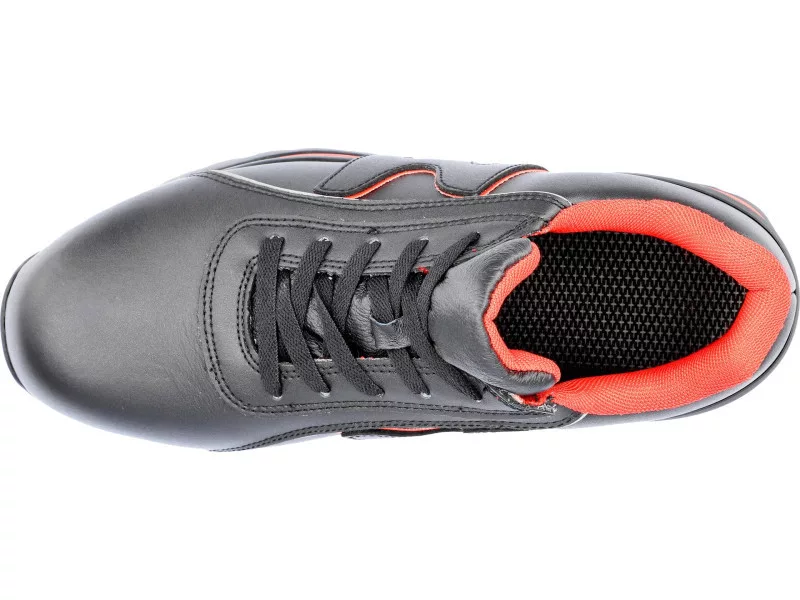
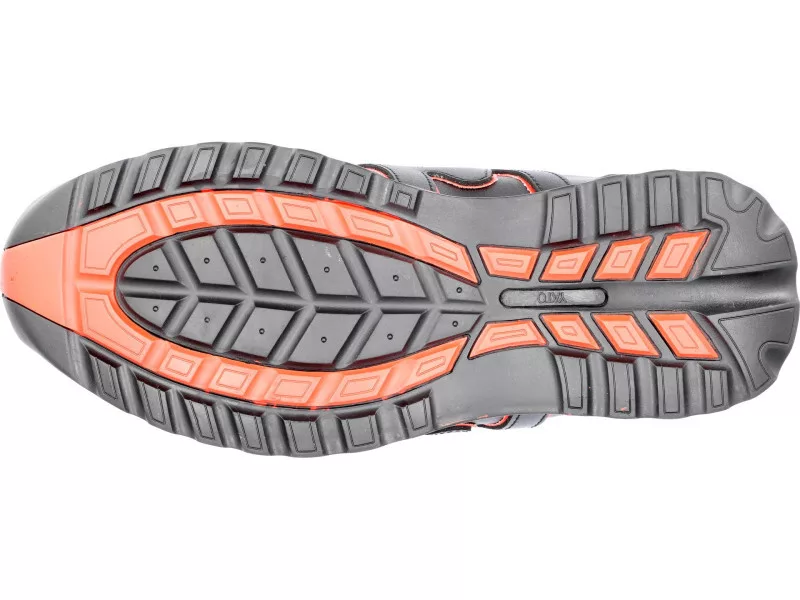
The half-boots are metal-free. Both the anti-puncture insole and the rubber sole are flexible and - unlike shoes with a traditional PU sole and steel insole - do not restrict midfoot flexion. The natural grain leather upper is decorated with reflective lines to improve the wearer's visibility.
Basic data:
- upper material: grain leather
- lining material: mesh type MESH
- sole material: rubber
Foot protection:
- category: S1P
- resistance to slipping: SRC
- composite insole resistant to impacts with an energy of up to 200 J and crushing up to 15 kN
- composite anti-puncture insole, which protects the foot from puncturing by sharp elements from the ground with a pressure of up to 1100 N
- impact absorption under the heel reduces foot fatigue during prolonged walking
- sole with grooves, oil-resistant, anti-electrostatic and anti-slip
Additional information:
- sole overlapping the insole prevents abrasion of the top of the shoe
- reflective inserts on both sides of the upper
- compliance with the requirements of the EN 20345 standard